

A high level of dependency on any substance can be both emotionally and financially destructive, and normally become entrenched as a coping strategy rather than any kind of pleasure. This episode helps to chart a withdrawal path — not easy, but manageable — in order to build a clear version of the future, where you're no longer trapped in that dependency.
Published:

At a biological level, body fat is stored energy: much the same as that portable powerbank or those batteries which energise your mobile phone or tablet when there isn't an electricity socket available; so it may help to use this metaphor when reducing body fat. But while you may feel overfed, there's no sense in leaving yourself under-nourished: those important nutrients still matter. Adam Cox provides a refreshing alternative to taking weight reduction pills!
Published:

Although this episode is centred on cocaine, it could be helpful for a wide variety of addictions, such as alcohol, nicotine and even sugar! Cutting out an addiction by will power is quite a struggle, bringing about a strong feeling of deprivation and requiring real self-discipline. If that need for will power could be replaced by the removal of desire, perhaps by associating the target of your addiction with some concept of disgust, i can be a much easier process to break free.
Published:
Original Broadcast: The Hypnotist

Challenging comments regarding appearance during childhood can echo through into adulthood to the extent that they cause discomfort and even shame, affecting one's ability to dance in front of others and wear swimming costumes. Adam Cox helps with ways to become free of that sense of judgement, to 'love like you've never been hurt or dance like no-one is watching'.
Published:
Original Broadcast: The Hypnotist

There are various coping strategies which people employ to deal with difficult emotions (anger, anxiety etc..) such as drink, drugs or food. However, more often than not they are just umbing in their effect at the time, and more like destructive self-sabotage in the longer term. Emotions are temporary: so, in this episode Adam Cox uses the technique of 'pattern interrupt' to help with developing an alternative approach to dealing with those difficult times.
Published:

Too much alcohol can lead to health problems, weight problems, and sometimes doing or saying things you might regret. This episode is about significantly reducing, but not eliminating, alcohol consumption by the effective use of alcohol-free drinks — perhaps interwoven with some alcoholic ones. Doing things differently in this way can lead to a clearer head and more focus: definitely worth giving it a try.
Published:
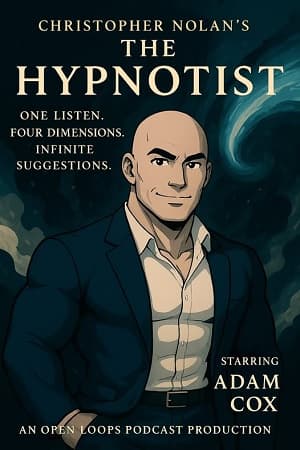
Adam Cox joins Greg Bornstein on an episode of Greg's 'Open Loops' podcast series, with Adam discussing how his methodology for hypnotherapy has developed through learning psychology, styles of therapy and different uses of metaphors. It's a bit different from our normal episodes, as Adam Cox is the guest here. Please search for 'Open Loops with Greg Bornstein: Conversations That Bend' to find out more.
Guests: Greg Bornstein
Published:

This episode is about turning a compulsion into a revulsion. Its theme draws an analogy to show how the drug cocaine is parasitic: how it exploits the host to take much more than it gives, thereby taking control. The challenge is, how to dispense with a parasite that has taken hold? Adam Cox helps to show the way ..
Published:

If you've started losing weight but are now finding that all that eating control and exercise is not generating as much of a result as you'd expect, this episode will provide some help and reassurance to move off that plateau. It uses the metaphor of a travelator moving the wrong way, as if to make you mark time but not progress, and Adam Cox helps you to look forward to re-establishing that momentum of weight loss that you've started.
Published:
Original Broadcast: The Hypnotist

For those for whom the urge to smoke is not just a habit or addiction but to some extent driven by emotions — anger, boredom, excitement — this episode could provide a welcome release. It's always good to find ways to reduce smoking, but this could be a different approach to help you on that journey.
Published:
