
Original Broadcast: The Hypnotist

When people hold back, it can result in frustration over what could have been achieved. A more courageous and decisive stance can result in great opportunities. This episode features a footballer's ambitions which could be lost by hesitancy, but it can be a metaphor for all sorts of situations when you're confronted by that fork in the road: whether to hold back for the cautious route, or give it your best.
Published:

Original Broadcast: Thought for the Week

There's been much discussion about the social media and NEET challenges for young people over the past week: the Bigger Picture reports on debates in parliament and The Hypnotist reflects on the importance of experience built up during childhood: experience that can be severely handicapped by social media addiction. Meanwhile the steady erosion of a moral compass for young people could result in serious instability for adult generations to come. Background music: 'Don't Look Inside' by Biz Baz Studio
Published:
Original Broadcast: The Hypnotist

This episode is about harnessing strategies which you may have developed during childhood, including love and acceptance, in order to make more use of it in your life today: it's particularly relevant to the degree to which you may feel obliged to feel responsible for relationships with others. It's also worth thinking, as you listen to this episode, about how many young peeople growing up today might be handicapped from using this 'inner child' approach in future as a result of spending an excessive proportion of their time on social media.
Published:

If you’ve set yourself the goal of improving your sleep this year, but already feel you’ve failed, there may be more at play than standard insomnia. Leading psychiatrist, Dr Bruna Sanader Vukadinovic, is warning that an over-reliance on insomnia medication may be doing more harm than good — especially when ADHD is involved. She joins Rory McGowan to discuss this further and give her top tips.
Guests: Bruna Sanader Vukadinovic
Published:

It’s the new year, and whilst many of us have our own resolutions, one goal in particular seems to be high on the priority list for Brits this year — sleep. New data from Panda London has revealed that over one in three UK adults say that sleeping better is their number one new year’s resolution, and to talk more about this new data with Rory McGowan is Dr. Ritz Birah, a consultant counselling psychologist.
Guests: Ritz Birah`
Published:
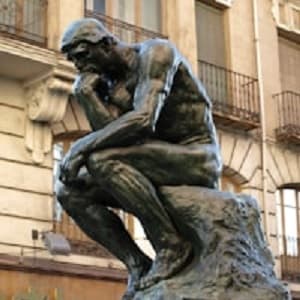
Career development is not just about doing your job really well, but also about responding to the inner call for more challenge and opportunity: what can be described as the progressive rather than cyclical approach. But it's not just a matter of expecting these things to fall into your lap: preparation and applying those extra skills call for action on your part. Clarity, belief — then action: these are the key ingrdients for going for promotion or, indeed, starting your own business.
Published:

Defiant natures often arise from being treated badly in the past, and can therefore draw people back into re-living those difficult, and sometimes abusive, experiences. However it is possible to build a more constructive, harmonious future, gaining empowerment to accomplish difficult things in the face of that adversity. If you feel that life has treated you unfairly, listen to this episode to help you to look ahead to a compelling visionn for the future.
Published:

The Christmas/New Year break often features an excess of alcohol: the challenge after the new year is to bring the quantity and frequency you consume back under control — 'everything in moderation'.What changes do you want to make in your consumption? Adam Cox may have the answers.
Published:

There's not much love being shared between Russia and Ukraine this Christmas. Putin calls for respect, but respect for others doesn't come naturally for him. Meanwhile, it's time that Rutger Bregman should see evolution as the essential process of continuous creation driven by our conscious creator who is unconditional love. Background music: 'O Holy Night' by DJ Williams
Published:

Empowerment is all about the freedom to make choices and be more in control of your life. Conventions and rules are of course helpful in providing a structure for everuday life, but they can also tie you down. Adam uses the metaphor of game-playing in this episode to help with breaking free in order to find more spontaniety, more fun and adventure in life.
Published:
