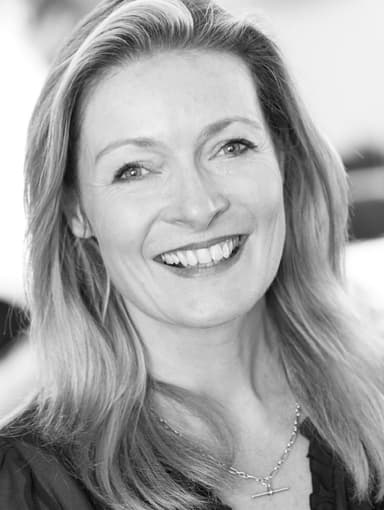
Original Broadcast: Morning Money at 7:00
Microsoft looks set to buy professional networking site, LinkedIn. But does the deal make sense from a tech perspective? Martin Garner from CCS Insight, which provides market analysis for companies in the mobile and wireless sector, gave his view on the deal, as well as discussing Apple and its latest Siri announcement.
Guests: Chris Bailey,Martin Garner
Published:
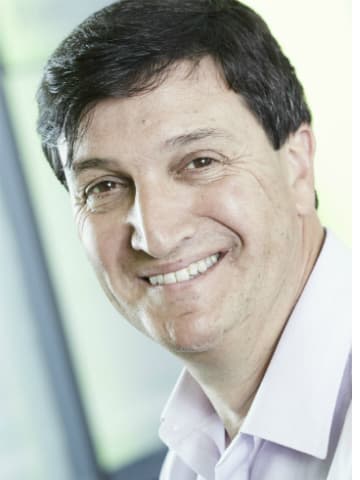
Gadgets and Gizmos with Share Radio's technology editor Steve Caplin.
Guests: Steve Caplin
Published:

Original Broadcast: Morning Money at 7:00
In 2015, during London Technology Week, Wayra UK launched startupDNA, the first research study to reveal the social makeup of Britain’s start-up ecosystem. The Diversity Tech Summit is designed to bring together key individuals to pursue a diversity agenda and meet the challenges outlined in the startupDNA executive summary. Danny Bartlett, from Wayra UK, joined Share Radio to talk on the summit.
Guests: Steve Clarke,Rachel Winter,Danny Bartlett
Published:
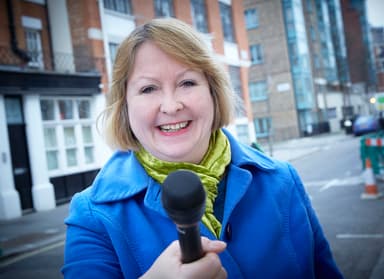
Linda Lewis meets the founders of The Inner Circle - an online dating platform for connecting 'successful singles around the world' with an app, a website and regular social events. They won first prize for best niche dating app at the European Dating Awards in May and theit co-founder, David Vermeulen, was voted entrepreneur of the year. Linda finds out how the company is planning to expand in other cities in Europe and the US.
Guests: David Vermeulen,Michael Krayenhoff
Published:

Original Broadcast: Marketing Watch
How are advertisers deliberately deceiving consumers? Chris Daly, Chartered Institute Marketing Chief Executive, explains how this phenomenon occurs and why it can't be easily spotted. Nick Peters looks at the role of affiliate marketing and how it has become a huge business with Kevin Edwards, Global Client Strategy Director at Affiliate Window, while Mark Finney, of ISBA, explains the threat of ad fraud, the scale of this organised crime and how it's costing advertisers billions of pounds every year.
Guests: Chris Daly,Kevin Edwards,Mark Finney
Published:
Original Broadcast: Morning Money at 6:00
Plastic 3D printers have slipped into the public consciousness and are used by companies to print bespoke plastic parts - but what if the same could be done with complicated metal structures for use across industry and manufacturing? Matt Cox has been hearing from Dan Michaels, German Business Editor at the Wall Street Journal, who's recently written about the new industrial process.
Guests: Matt Cox,Dan Michaels
Published:
Original Broadcast: Morning Money at 7:00
Speakers at the RICS UK Conference are due to discuss future cityscapes and how technology can help, as analysts worry that our cities won't be prepared for the needs of generations to come, unless fast action or rigorous planning takes place. Futurologist Dr Simon Moores, explained what needs to happen to future proof a city.
Guests: Matt Cox,Dr Simon Moores
Published:
Gadgets and Gizmos with Share Radio's technology editor Steve Caplin.
Guests: Steve Caplin
Published:
Original Broadcast: Marketing Watch
Nick Peters opens the programme discussing M&S' new summer advert with Brand Consultant Adrian Day, together they look at the company's new approach to recover and grow the M&S clothing brand. Colin Williamson explores how the world of journalist is changing after CityAm's new strategy to tear down the editorial and commercial divide; while Sam Scott, Head of Video at The Drum, explains their latest series, Cliche Killers- a satirical take on the Top 12 cliches in advertising.
Guests: Adrian Day,Colin Williamson,Sam Scott
Published:

Many people don't switch broadband, mobile or TV provider - not because switching is confusing, but because finding the best deal can be a challenge. Sarah Pennells is joined by Peter Earl, Head of utilities at ComparetheMarket.com, Matt Powell, Editor at Broadband Genie, and Naufal Zamir, CEO of RightCallApp, to discuss how to save money on broadband bills.
Guests: Peter Earl,Matt Powell,Naufal Zamir
Published:
