Original Broadcast: Modern Mindset

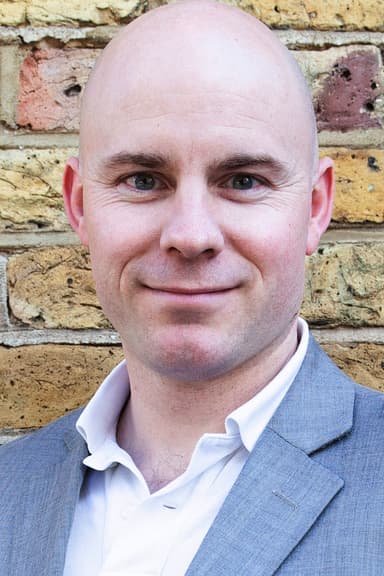
Adam Cox is joined by the Director of military recruitment agency, Ex-Mil (https://www.ex-mil.co.uk), Jean-Claude Hedouin, to discuss veteran re-assimilation for Armed Forces Day. They look at some of the key attributes military personnel possess that make them so essential to society and debunk some of the myths and stigmas about ex-military personnel.
Guests: Jean-Claude Hedouin
Published:
For those whose perfectionist approach leads to anxiety, this hypnosis session may offer relief. Many people are very resourceful and resilient, but at the same time get stressed and worried if things can't be just right. If you have a struggle keeping this noble motive in balance, Adam Cox's therapy session could be for you
Published:
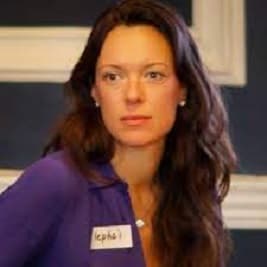
Adam Cox is joined by Hephzi Pemberton, CEO of the Equality Group and Author of 'The Diversity Playbook', to discuss how the last year has impacted the UK's understanding of inclusion and diversity. They look at how businesses can tackle institutionalised racism in the workplace and what inspired Hephzi to start the Equality Group, in addition to discussing her new book. https://www.equality.group.
Guests: Hephzi Pemberton
Published:

Adam Cox talks with Karen Darke, who was paralysed from the waist down at the age of 21. She has since become an adventurer, and a paralympian at the Rio Olympics, and helps others to rise from adversity. A geologist who has developed a learning process to assist human development, she describes it with the analogy of alchemy.
Guests: Karen Darke
Published:

Do you find yourself becoming distracted and irritated by things outside your control? If so, this short episode of The Hypnotist could help you to become less bothered by such things. Adam Cox dwells on developing an ability to deal with extraneous things as they are, without allowing them to build up negative stress inside.
Published:
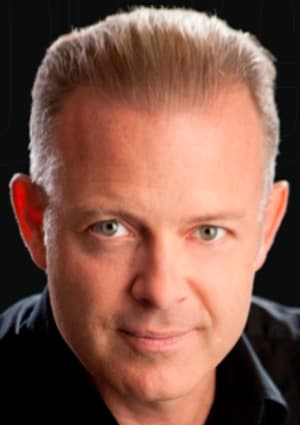
Adam Cox talks with Doug Vermeeren, who explains the seismic impact Covid has had on the world of work: how self-employment has become a necessity for so many, and how people have grasped the opportunities of remote working to find a new way forward. An entrepreneur coach himself, Doug describes how hundreds of millions have discovered new ways ofworking over the past year.
Guests: Doug Vermeeren
Published:
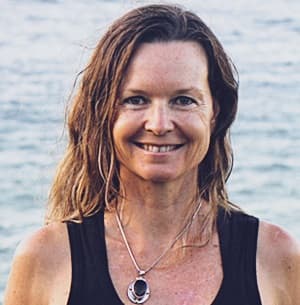
Adam Cox interviews Carmel Crinnion, an Australian who has discovered real healing powers. Her first spiritual experience was with an after-communion prayer during her Catholic upbringing. As an adult, she started on her own healing journey some 10 years ago; made a spiritual retreat to Macchu Piccu, and experienced a new language of healing. She now runs Sanctum Healing as a transformation coach based in Sydney.
Guests: Carmel Crinion
Published:
Original Broadcast: Economist Questions

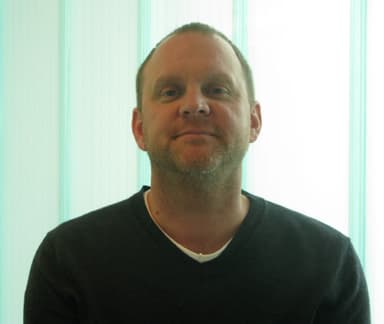
The UK has come a long way since the early Equal Opportunities legislation of the 1970s, high-profile cases in the 1980s and 1990s identifying institutionalised discrimination, and the subsequent focus on celebration of diversity and promotion of inclusion. However, the #MeToo and #BlackLivesMatter movements are reminders of how far we still need to travel. In this episode, Peter Urwin is joined by Emma Parry, Professor of Human Resource Management at Cranfield School of Management, to discuss how to further move the dial on diversity in the workplace. Asking whether research provides clear lessons for managers, they identify a number of similar messages across the economics and HRM literatures. However, whilst recent debates over the value of unconscious bias training caution against untested approaches, evaluation of “solutions” such as Inclusion present a real challenge. Peter and Emma debate these tensions, and consider possible ways forward. For an accompanying blog post on this issue, go to https://www.propelhub.org.
Guests: Emma Parry
Published:
Original Broadcast: Economist Questions

Since the late 1960s, UK productivity growth has been weak and poor management is seen as one of the main causes. In recent years Economists have waded into this debate, and in this episode Peter Urwin asks Prof. Richard Saundy what he thinks of recent findings. The discussion begins with a reminder of the fractious history of UK industrial relations. They then consider recent evidence on what makes a good manager and ask why there seems to be so little sharing of good managerial practice both between, and even within, organisations. Concluding with a discussion of what the ‘cure’ might look like, they consider work of the PrOPEL Hub and ESRC funded studies that aim to improve management through new approaches to training.
Guests: Prof. Richard Saundy
Published:

Adam Cox is joined by Rich Turner, Senior Vice-President of cybersecurity experts CyberArk, to discuss research which reveals workers’ attitudes to work-related cybersecurity at home – and how workers can improve their cybersecurity. They look at what businesses should be doing to improve their employees’ cybersecurity, and what CyberArk can do to help prevent cyber-attacks.
Guests: Rich Turner
Published:
