Original Broadcast: The Bigger Picture
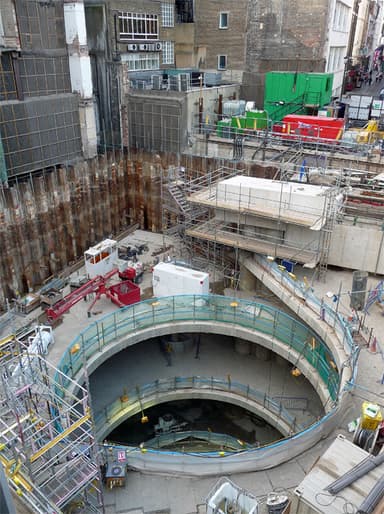
In an episode first broadcast on 13th February 2020, just a couple of weeks before the Covid pandemic started, Professor Tim Evans of Middlesex University examined why big construction projects such as Crossrail and HS2 go over budget, what ought to be done about the BBC and its licence fee and he cast a look back over the UK's troubled relationship with the EU during its 47-year membership. In the light of Rishi Sunak's cancellation last week of HS2 north of Birmingham, it's interesting to note the strains in the HS2 project which were already evident three and half years ago. Meanwhile here's the link to our more recent commentary, Public Finance Disasters in Small Print: https://www.shareradio.co.uk/thinkingaloud/newsletters/comment-wc-2023-08-07/
Guests: Professor Tim Evans
Published:

Original Broadcast: Gadgets and Gizmos
Artificial intelligence has burst into the headlines over the past year and generated excitement among investors. But as with any exciting new technology that has generated a lot of hype, there will be pitfalls for investors along the way. If you want to invest in the AI revolution, what other companies could benefit and what do you need to consider. This is Money's Simon Lambert speaks to eToro’s Sam North to find out more, in a short programme originally broadcast on 15th July '23.
Guests: Sam North,Simon Lambert
Published:
Original Broadcast: This is Money
It’s been called the most hated tax in Britain - but only 4% of people pay it. You could be forgiven for thinking inheritance tax is something only the super-rich need to worry about. But thanks to rising house prices and an increasing desire to transfer wealth between generations, more and more people are being drawn into the net. It happens not only when someone is left property or other assets from someone's estate, but also when they accept a gift from someone who passes away before the 'seven year rule' tax exemption kicks in. The Institute for Fiscal Studies says that that 4% could become 12% within a decade. And many of those who will never pay inheritance tax still hate the idea that the Government is taking a big cut of the wealth people have worked hard to build up over their lifetime. So it might come as welcome news that Rishi Sunak is reported to be considering cutting the tax, or even scrapping it altogether, as a potential vote-winner ahead of the next election. What’s wrong with inheritance tax, how could it be made fairer - and could the Government really just get rid of it? Simon Lambert, Helen Crane and Georgie Frost discuss. That’s not the only plan the Government is said to be hatching for our finances. It’s also reported that Chancellor Jeremy Hunt wants to increase the £20,000 annual allowance for saving into an ISA - but only for those who use it to invest money into companies listed on the ailing London Stock Exchange. The team consider what puts people off stocks and shares ISAs, whether the rules are too restrictive for the way we manage our money today, and whether encouraging people to pour money into a market which has had a bit of a tough time of late is a good idea. Plus, it’s a year since the disastrous mini-Budget which rocked the mortgage market. With a raft of reductions from big lenders this week, could rates on home loans finally be turning a corner now the base rate has been put on ice? And finally, we discuss whether the time might finally have come to commit to a fixed rate on your energy bills.
Guests: Helen Crane
Published:
Original Broadcast: Thought for the Week
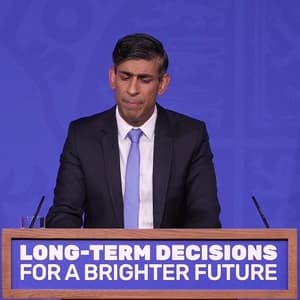
After the December 2019 election, Dominic Cummings brought HM Treasury under the heel of No. 10. Little did he realise that in 2023 the financiers would be running the whole show. Rishi Sunak, financier par excellence, thinks he is making long-term decisions for a brighter future. Not everyone agrees: but then a week is a long time in politics — or finance, come to that. Background music: 'Something Is Wrong' by Sir Cubworth Image source: BBC
Published:
Original Broadcast: This is Money
Every child could receive a pot of £1,000 at birth to be channelled into long-term investments in UK growth under proposals to give the young a leg up and revive a ‘stagnant’ economy. The idea of a ‘New Generation Trust’ is part of a package of reforms that could add £225billion to the economy, says a report by the City of London Corporation. A £1,000 payment to all newborn children would need to be invested - and it is claimed this could provide long-term capital for UK PLC. It revives memories of the Child Trust Fund scheme launched by Gordon Brown two decades ago, and later scrapped by George Osborne – and that hasn’t exactly been a roaring success. Lee Boyce, Simon Lambert and Georgie Frost discuss the merits of the idea – and why whether this happens or not parents should start building a pot for children as early as possible. It’s been another exciting week for savings – Santander has a new best buy easy-access deal, Moneybox has launched a top cash Isa and First Direct is offering five prizes of £12,500 for those who switch current account – including a £175 bonus for doing so. Bank of England Governor Andrew Bailey has been speaking in front of MPs at the Treasury Select Committee about base rate – are we close to the peak? House prices saw their biggest slump since 2009 according to Halifax, with the average home falls £14,000 in a year – chiming with similar data from Nationwide. And finally, electric cars are slumping in value – many models have lost 30% or more in a year. Is now the time to buy, and what on earth is going on?
Published:
Original Broadcast: This is Money
Inflation falling, wages rising, mortgage rates fall back a bit and fixed savings rates seem to be peaking at 6% - all without a recession (yet)! Is the oasis in sight, or is this a mirage? Georgie Frost, Simon Lambert and Helen Crane review the prospects looking forward. Also, Rishi Sunak vows to keep the 'triple lock' on pensions, but can we afford it?
Guests: Helen Crane
Published:
Original Broadcast: Thought for the Week
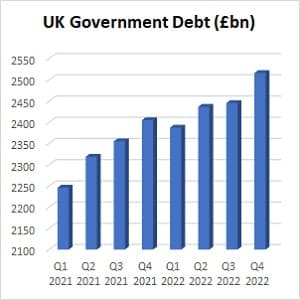
Government Debt at the end of June '23 was £2.53 trillion, or £38,000 for every person living in the UK. This will be increased by 10% as a result of HM Treasury indemnifying the Bank of England for their QE losses and the cost of the dysfunctional HS2 project. Hidden away on page 54 of the Infrastructure and Projects Authority Annual Report is where you can find their assessment of the huge HS2 project: then check out William Hague's Times article, 'HS2 has gone from shambles to red alert'. Please visit the Share Radio webpage for links. Background music: 'Sarabande' by Joel Cummins
Published:
Original Broadcast: Thought for the Week

With aggregate annual licence fee income of £3.7 billion, a degree of self-interest and parochialism which permeates its coverage, and swiftly-reducing interest from young people, the BBC's 100th anniversary poses more questions than answers. Meanwhile the National Health Service, celebrating its 75th anniversary, spends over £158 billion a year in England alone: but still struggles with record waiting times and dismal GP service to patients — yet more evidence of the dysfunctionality of quango monopolies. Background music: 'The New Order' by Aaron Kenny
Published:
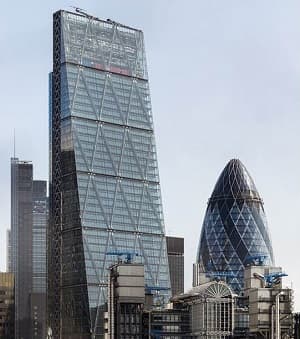
The shining towers and ivory walls of the City of London — many of our financial trials and tribulations can be traced back to October 1986, when the clear distinction between self-interest and acting in the interests of customers was abruptly brought to an end in the 'Big Bang'. Among those who saw it all happen was legendary market-maker Brian Winterflood MBE, who died on 29th June. His financial legacy, built over sixty years in the City, is massive. Background music: 'Communicator' by Reed Mathis
Published:
Original Broadcast: The Bigger Picture
On 5th July the Treasury Select Committee held an evidence session on the hot topic of inflation. Their witnesses included: Professor Sir Charles Bean, Professor of Economics, London School of Economics (LSE), Former member, Monetary Policy Committee, Former member, OBR Budget Responsibility Committee; Nina Skero, Chief Executive, Centre for Economics and Business Research; Stephen King, Senior Economic Adviser, HSBC; Dr Sushil Wadhwani CBE, Chief Investment Officer, PGIM Wadhwani, Former member, Monetary Policy Committee. This episode covers the first 50 minutes of the hearing and its conclusion with year-end predictions for interest rates — the full podcast is two hours long and can be accessed via https://www.shareradio.co.uk/podcasts/treasury-select-committee-evidence-session-on-inflation-full-length-07-jul-23/PodcastPlayer
Published:
