
Original Broadcast: Gadgets and Gizmos

Steve Caplin explains how difficult it will be to flag down the new self-driving taxis on London streets. However, you can now get a mobile TV that you can summon. Which? managed to get a fake listing for 10, Downing Street on booking.com. Scientists have worked out how to use WiFi to identify people without cameras. A new robot designed for household tasks is incredibly slow. A crowd-funded solar bike has the panels inside both wheels. Nasa has developed 3D-printed biscuits made of plastic, but the scientists who've developed them aren't allowed to taste them. And the Science Museum is about to host an attempt by Star Trek fans for the largest simultaneous Vulcan salute.
Guests: Steve Caplin
Published:
Original Broadcast: The Business Of Film

While Spider-Man and The Odyssey battle it out for top spot, James Cameron-Wilson reviews #5 The Dog Stars. Made with Ridley Scott's usual visual aplomb, this dystopian thriller starring Jacob Elordi and Josh Brolin has some great action sequences but James felt emotionally under-nourished and found the film a real downer. He was captivated, however, by #9, One Night Only. In this romcom set in a world where pre-marital sex can only happen on one night in the year, leads Callum Turner and Monica Barbaro are engaging and have plenty of chemistry. The film is romantic, funny, original and charming and James didn't want it to end. He and Simon strongly recommend a box set of eight British Peter Sellers films from StudioCanal with James highlighting The Smallest Show on Earth and Simon Only Two Can Play.
Guests: James Cameron-Wilson
Published:
Original Broadcast: Gadgets and Gizmos
Steve Caplin discovers that balcony solar panels, while a good idea, don't actually appear to be on sale anywhere. He explains how Meta will change its safety limitations for children worldwide after settling a lawsuit against it for $17bn. Digger drivers will soon be able to train on video simulators. There are air-conditioned jackets for dogs. A 3D-printed banjo may not tempt the likes of world-class players like Bela Fleck. The Tokyo-Osaka bullet train is to offer an overnight stop, while a sightseeing bus in Tokyo now has sushi on offer on a conveyor belt. Take care if a car park suggests you pay by QR code. And an AI doctors' receptionist in Yorkshire unfortunately can't understand a Yorkshire accent.
Guests: Steve Caplin
Published:
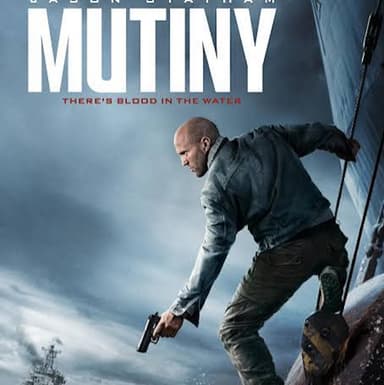
Spider-man and The Odyssey are still leading the box office, says James Cameron-Wilson. At #8 is Jason Statham's latest thriller, Mutiny. He plays a bodyguard on the run after his client is murdered. It's formulaic and very violent but the stuntwork is effective and inventive while the director piles on the suspense, turning a B-movie into a B-plus. #10 is an unsympathetic biopic of chef Antony Bourdain which has a great cast. However, with such a disagreeable protagonist, it is not one of James's favourite foodie films. On Amazon Prime is Mother Mary with Anne Hathaway a former pop star in an oppressive movie full of florid dialogue. Think Bergman's Persona crossed with The Dresser, says James. He ends with the top 10 movies of all time in terms of audience numbers, with the #1 of all time remaining the same as it has for decades.
Guests: James Cameron-Wilson
Published:
Original Broadcast: Gadgets and Gizmos
Steve Caplin is intrigued by top designer Jony Ive's portable smart speaker for OpenAI, apparently a metal doughnut with moving parts but not available until next year. Another innovative speaker claims to have "a world inside" with a 3D environment you can view. 29 US states are suing Meta. There's a weird gimbal-mounted robot phone that will ogle bystanders and answer "yes or no" questions. You can get a smartphone that you can fix yourself or a cheap camera with no proper viewfinder. A devil robot has been designed to deal with California wildfires. The Japanese have invented a human washing machine. And visitors to one London hotel can get free entry to see the Bayeux Tapestry.
Guests: Steve Caplin
Published:
Original Broadcast: The Business Of Film
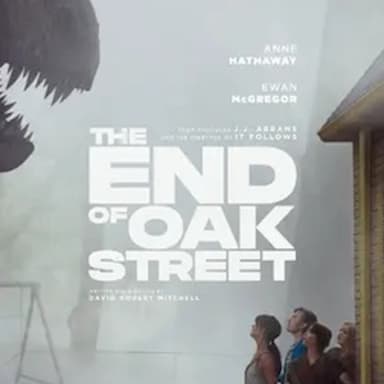
James Cameron-Wilson thought #3 The End of Oak Street, in which a suburban family find themselves battling dinosaurs, daft as a brush. Despite unconvincing adult performances from Anne Hathaway and Ewan McGregor, it's good fun and genuinely nerve-shredding. In #12 Sunny Dancer, Bella Ramsey is a reluctant teenage attendee at a holiday camp for cancer survivors. Written and directed by a young George Jaques, it does not shy from the messiness of life, has wonderful dialogue and full-blooded performances from its young cast. It is simply one of the best films of the year. On Netflix, engaging comedian Mo Gilligan challenges himself to eat nothing but fried chicken for 28 days in Big Chicken: A Fast Food Conspiracy. He almost dies while, along the way, he exposes the atrocious treatment not only of the creatures themselves, but also the workers in the associated factories. It's a hard watch and has persuaded James never to eat fried chicken again.
Guests: James Cameron-Wilson
Published:
Original Broadcast: The Business Of Film

Spider-Man and The Odyssey continue to dominate the box office, says James Cameron-Wilson. On only in Picturehouse cinemas is the French/Luxembourgish film Love Me Tender. About a lawyer leaving her marriage, finding her sexuality while trying to keep contact with her son, it feels very real and has one of the year's best performances. It really stays with you and is highly recommended. Survival thriller The Last House is on Netflix. If it's rain you're after, it has it aplenty. James became enormously invested and found it very suspenseful, helped by great acting. On BFI Player the documentary Lesvia reminded him of old travelogues. Sweet and affectionate, it's also terribly niche. He also caught up with the BBC adaptation of Michael Frayn's play Copenhagen with Stephen Rea and Daniel Craig on iPlayer. It dovetails into Oppenheimer and so many other things.
Guests: James Cameron-Wilson
Published:
Original Broadcast: Gadgets and Gizmos
Steve Caplin says that although Meta sold 7m pairs of their smart glasses last year, there's a massive backlash against them. The AI Claude is to have readable watermarks embedded so that you can tell if it was used or not. A human ChatGPT has had to suspend operations because he proved too popular. An undersea cable has been forced to relocate by Harry Potter fans. There are shirts with built-in fans though Steve was more impressed with a rechargeable Ali Express fan costing a fiver or less. He was not convinced by a crowdfunded, self-playing guitar, reckoning that it was taking the complexity of 3D printing too far.
Guests: Steve Caplin
Published:
Original Broadcast: The Business Of Film

James Cameron-Wilson is delighted by a 155% surge in UK box office with #1 Spiderman: Brand New Day scooping up £36.4m in its opening weekend. With giddying aerial shots, this outing is devastatingly romantic and hugely moving, as well as often being frightening and yet very funny too. Although not often a fan of Amazon Prime's movies, James does recommend its bustling French ensemble drama Couture, set in the fashion world and starring Angelina Jolie. It's a must both for her fans and for devotees of serious French cinema. James and Simon both loved Laurel & Hardy: The Silent Years (1929). These restored Blu-Ray discs (the third in the series) are packed with extra goodies, as well as nine of the comedy duo's last silent films with different musical accompaniments to choose from. A delightful treasure trove.
Guests: james cameron-wilson
Published:
Original Broadcast: Gadgets and Gizmos
Steve Caplin is not inclined to get Philips new high-tech toothbrush, showing the teeth you've missed. He's more impressed by a font that can be read by humans but not by AI. Google Maps introduced a new feature offering AI overlays but didn't reckon with the mischievousness of the public so it's been withdrawn. Robotaxis have a licence to operate in London but there must be a driver ready to take over, unlike Zoox robotaxis which are expanding beyond Las Vegas in the US. There's a method of hacking the digital firewalls of modern cars. Also a way of navigating a computer using your tongue. Opera lovers at the Bayreuth Festival booed the AI visuals. And if you find yourself spending too much online, try the virtual shopping experience at dopamine-shop.com where all manner of products can be delivered "to your imagination".
Guests: Steve Caplin
Published:
