Original Broadcast: The Financial Outlook for Personal Investors

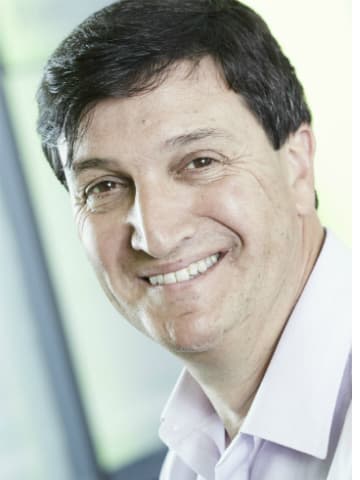
Russ Mould of A J Bell discusses the precious metals meltdown and the ongoing volatility, with silver diving from $122 to $72. He reminds us, though, that both gold and silver are still up 9-10% in a month. Russ runs through the things that might have caused the collapse, including Trump's appointment to the Fed chair, that things had gone too far too fast, that leveraged positions were flushed out and the changes in Comex's margin requirements. But what has changed apart from the price? Nothing, really, so bears and bulls of precious metals are still likely to feel as they did before the past week. It's notable that miners have been nowhere near as volatile as the metals and we are about to see results from some of the majors. Will this be an opportunity? How indeed do you value gold and silver? Russ compares them to other commodities.
Guests: Russ Mould
Published:
Original Broadcast: The Financial Outlook for Personal Investors
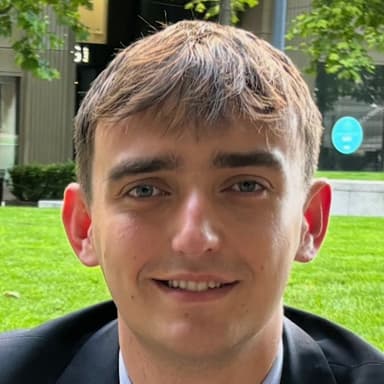
Liam O'Byrne of Edison Group says that leading London estate agency Foxtons are at the crossroads of an exciting new chapter. They have set a much more optimistic growth target and are expanding beyond the London area, which could be the precursor to a wider rollout. They have a very rich historical database which is being leveraged with AI to outpace the opposition. He also highlights Baillie Gifford US Growth Trust which tries to identify exceptional businesses, both private and public. They were an early backer of SpaceX which is heading for a potentially record-breaking IPO later this year, yet they're at a discount to net asset value. They focus on disruptive companies which are hard to value but have significant potential upside.
Guests: Liam O'Byrne
Published:
Original Broadcast: The Financial Outlook for Personal Investors
Russ Mould of A J Bell asks what lessons we can draw from Donald Trump’s speech at Davos, an event Russ would normally ignore. We know Trump likes to deal and to keep the US stock market happy and running hot. We can probably expect market volatility and there are indications that it makes sense not being too over-exposed to US equities. Investors keen to protect themselves should opt for shares that aren’t so highly-priced, which applies to lots of UK stocks. American shares are now such a high proportion of the world stock market that it makes sense to diversify away. The FTSE All-World ex-US index has broken out to a new all-time high. Once you go above a previous peak, momentum can be very strong. The UK has had 3 or 4 bids already this year including one for a FTSE100 company. You can still make a valuation case for the UK.
Guests: Russ Mould
Published:
Original Broadcast: The Financial Outlook for Personal Investors

Neil Shah of Edison Group says that Greggs' shares are off almost 40% over the past couple of years. Like other fast food companies, weight loss jabs are having an effect on their business. But the recent Q4 update confirmed that the company will meet their profit expectations and the management team has a great track record of executing growth. Although they could simply farm their estate, further growth is worth pursuing and the price fall gives investors an entry opportunity. BP was the second best-performing oil major last year and now has a clear strategy of returning to its roots which appears to be bearing fruit. The numbers are encouraging and it should make new ground this year.
Guests: Neil Shah
Published:
Original Broadcast: The Financial Outlook for Personal Investors
Musing on President Trump's interest in Venezuela, Russ Mould of A J Bell believes that second-guessing geopolitics is brutally difficult, although he can see why defence stocks are back in vogue. While Venezuela's oil has been much discussed, the United States doesn't really need more oil, thanks to shale. However, China does, which might make the country seem more interesting to Trump. However, there are plenty of other commodities there too. In the markets, gold, silver and now copper are at new highs. The latter has plenty of practical applications, including being needed for EVs. But it takes 10 years to bring a mine onstream. It's interesting that the commodity indices have remained so depressed despite these gains, but the indices are weighed down heavily by oil and gas. If markets are right to expect decent economic growth, then it's not a bad environment for commodities and cyclicals.
Guests: Russ Mould
Published:
Original Broadcast: The Financial Outlook for Personal Investors

The big stories of 2025 – Trump and AI – are likely to feature heavily in 2026, says Fergus Caheny of Evelyn Partners. Will the eye-watering expenditure we have seen produce enough profitability to justify the high ratings? He does not feel prices are yet in bubble territory but thinks the baton will change to concentrate on those companies that supply this year's AI winners. With the American mid-term elections coming up, investors will also be keen to know who will be the new Chair of the Federal Reserve. The UK economy has had a chequered year but, while UK markets offer some benefits, investors should look to diversify not just among sectors, but geographically too. Fergus believes that growth in India and the Asian subcontinent will become a big theme.
Guests: Fergus Caheny
Published:
Original Broadcast: The Financial Outlook for Personal Investors

Russ Mould of A J Bell comments that, given the headwinds buffetting markets in 2025, you would hardly expect it to have been such a fantastic year for assets. He suggests 5 topics for investors to consider in 2026: interest rates; AI; commodities; small caps; and cash returns. Monetary and fiscal policy (except taxes in the UK) was generally stimulative and looks likely to continue. We have little direct involvement in AI so, if it blows up, the UK will be less affected than other markets. Miners and oils have been great performers this year but the profit upgrades we're now seeing are mostly because of metal miners. Small caps have been nowhere to be seen. Why? It is not healthy if the small and medium-sized companies that employ 90% of workers are struggling. UK investors have seen over £180bn returned to them in 2025. That's over a 6% return on the All-Share Index, which should continue to support UK shares if things continue as they are.
Guests: Russ Mould
Published:
Original Broadcast: The Financial Outlook for Personal Investors

Finlay Mathers of Edison discusses BP, which has changed strategy to give an emphasis to shareholder return, increasing investment in oil & gas by 20% while reducing transition investment by 70%. The company will be focussing on cost reductions and efficiency, strengthening its balance sheet and reducing net debt. Neil Shah of Edison returns to the topic of Games Workshop, which he has mentioned here before on more than one occasion. This one-time small company has now entered the FTSE and the shares are up 40% this year. It's an exceptionally well-run business and its Warhammer figurines will become even better known when the Amazon TV series approaches production. It has a very progressive dividend and, while it is on a PE of 30, it is a niche business that should keep growing at pace.
Guests: Finlay Mathers,Neil Shah
Published:
Original Broadcast: The Financial Outlook for Personal Investors
Russ Mould of A J Bell says that Rachel Reeves' Budget was delivered with an eye on the bond markets. Fortunately for her, the 10-year gilt has been steady since, even if it is higher than when Labour took over and has moved in a different direction to BoE interest rates. All equity investors have an interest in gilt yields, whether they know it or not. Russ reckons this year could be the UK's best performance since 2009. Derided as being dull for being heavy with banks, miners and emerging markets, those have all been good performers, while the once-popular dividend compounders have seen only 1 in the top 20 risers. They got ahead of a sensible value.
Guests: Russ Mould
Published:
Original Broadcast: The Financial Outlook for Personal Investors
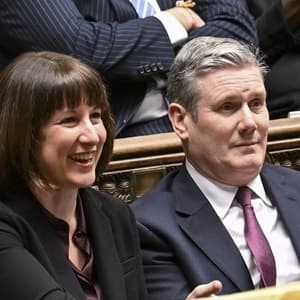
Professor Tim Evans of Middlesex University thinks that Rachel Reeves' highly-political Budget could have bought her and the Prime Minister some time, calmed the markets and even reunited the Labour Party. But what will be the unintended consequences? There will be a lot of deferred pain through tax rises. It could create weaker productivity, risk a two-speed economy, dampen consumer spending and investment, persuade more wealthy and talented people to emigrate, depressing tax revenue and it may yet prove inflationary. It will take some time before we get a clearer idea what the consequences will be.
Guests: Professor Tim Evans
Published:
