Original Broadcast: The Financial Outlook for Personal Investors
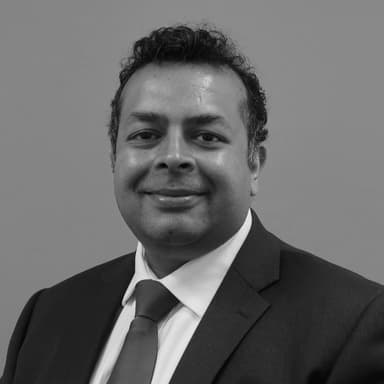
Neil Shah of Edison Group says markets were relieved that the Budget did nothing to undermine confidence. Banks reacted positively, as did Rank, along with wealth managers and financial services, as it will be increasingly punitive to save or invest outside a tax wrapper. High end housebuilders suffered and the tax increases won't help the consumer sector. For somebody looking for exposure to precious and strategic metals, Neil highlights the closed-end Baker Steel Resources Trust. It has increased net asset value 40% in a year. It trades on a 35% discount, as do many in the sector, but Neil feels over the long term this should narrow. Info on Edison website.
Guests: Neil Shah
Published:
Original Broadcast: The Financial Outlook for Personal Investors
In the wake of Nvidia's 3rd quarter results, Russ Mould of A J Bell says that all capital expenditure booms come to an end because of over-investment. It is too soon to say how this one will turn out. He is intrigued, though, that AI tech needs energy and mined metals and yet capex in those sectors is very low. With AI, we need to see some return on the money invested. If it turns out to be the productivity boom we've been looking for, then people's perceptions towards mining and energy should change, although in both those fields it takes some time for capex to bear fruit.
Guests: Russ Mould
Published:
Original Broadcast: The Financial Outlook for Personal Investors
Neil Shah of Edison Group says that the heathcare sector has had a torrid time recently but that many of the risks that caused the rerating are vanishing. Positives include demographics, innovation and the patent cliff, which is increasing M&A activity. He mentions some good specialist investment trusts worth considering. He also feels that small caps might soon come into their own, with Budget changes possibly benefitting them. There is plenty of value there and Rockwood Strategic, with a concentrated portfolio of just 25 stocks, has a really good track record, aiming for a 15% annual RoR. It's worth looking at their well-designed website.
Guests: Neil Shah
Published:
Original Broadcast: The Financial Outlook for Personal Investors
Russ Mould of A J Bell and author of the Telegraph's Questor column wonders why the Chancellor gave a speech about giving a speech, comparing it to Hugh Dalton having to resign in 1947 for letting slip something in the Budget. But the Budget will be important for affecting the 10-year gilt yield, seen as the risk-free rate. Any other investments should be priced to provide higher returns. As examples, utilities are seen as bond proxies as there's little expected capital growth, whereas discounted cash flow models are used to price tech stocks. If the 10-year yield rises, it decreases the value of equities and vice versa. Investors should always bear in mind its importance.
Guests: Russ Mould
Published:
Original Broadcast: The Financial Outlook for Personal Investors
Neil Shah of Edison group feels that Primary Health Properties, which does what it says on the tin, will benefit from the takeover of Assura. 80-90% of its income is backed by the government so the shares can be compared to gilts, except that the company will produce growth and rising dividends. It's on a prospective yield of 7.7%. He is also upbeat on the UK market. American investors are looking for value, yield and safety outside the US and, despite all the doom and gloom, there are positive signs in the UK. Neil thinks there will be a Santa rally this year.
Guests: Neil Shah
Published:
Original Broadcast: The Financial Outlook for Personal Investors
Russ Mould of A J Bell says that he is being bombarded with questions about whether there will be a market meltdown. On the negative side are government debt and interest bills which inhibit growth and might lead to a deflationary bust; soaring private debt; the private credit wobble; unbalanced markets; and high valuations. On the positive side the US economy might run hot as Trump wants; central banks might cut interest rates; and AI could produce an amazing productivity boom. Nervous investors should maintain a diversified portfolio and keep nothing that is giving you ulcers or sleepless nights.
Guests: Russ Mould
Published:
Original Broadcast: The Financial Outlook for Personal Investors
Russ Mould of A J Bell considers what might happen to gold. How safe is it riding such a volatile bull? Gold, after all, generates no income. The price appears to be responding to a loss of central bank control, galloping debt and stubborn inflation, as well as central bank buying after US sanctions on Russia. The run may have gone far enough but investors who are interested should remember the importance of being diversified. Russ points out that silver and platinum are still very cheap relative to gold while oil is at relative multi-year lows. Mining stocks tend to lag the metal. Russ mentions a few but thinks broad mining ETFs could be more sensible.
Guests: Russ Mould
Published:
Original Broadcast: The Financial Outlook for Personal Investors

Chloe Wong Yun Shing of Edison Group highlights the cards, gifts and party essentials company Card Factory. Recent results show store revenue up 1.5% like for like. Costs have risen 4.4% but the company is mitigating this and is shifting focus online. Mobile payment company Boku were made Company of the Year at the AIM Awards. They're a good example of how fintechs are growing. Boku, capitalised over £600m, are working with some very large international businesses. Revenue is up 27% like for like, they are delivering growth, improving profitability and have plenty of cash to keep investing. Edison believe there's a 60% upside. Notes for both companies are on the website.
Guests: Chloe Wong Yun Shing
Published:
Original Broadcast: The Financial Outlook for Personal Investors
Russ Mould of A J Bell remarks on the Bank of England slowing down its gilt sales. The 10-year gilt, currently 4.7%, is seen as the risk-free rate against which other bonds are rated, the risks with them being inflation, interest rates, credit risk and liquidity. With equities, there's a mysterious turning point where institutions feel it's safer to be in gilts. After its rise, the UK market isn't as attractive as it was. The cash yield on the FTSE is a little north of 6%. 19 of its companies offer more than the risk-free rate. The old rule of thumb was that if it's double, as one company is, it's "too good to be true". Where do we go from here, though, with a moribund economy and the UK still adding to its debts?
Guests: Russ Mould
Published:
Original Broadcast: The Financial Outlook for Personal Investors
Neil Shah of Edison Group admires Next for its forward planning and economic predictions. Its latest report anticipates anaemic growth, depressed by poor job opportunities, excess government spending and regulation and a rising tax burden. Coming on top of news that fund managers are dumping UK equities at the fastest rate in 20 years, it feels like a turning of the tide. On a more optimistic note, he says that housebuilder Springfield Properties is pivoting its portfolio to build housing to take advantage of green-related construction in the north of Scotland and feels that there's a long way to go.
Guests: Neil Shah
Published:
