Original Broadcast: This is Money
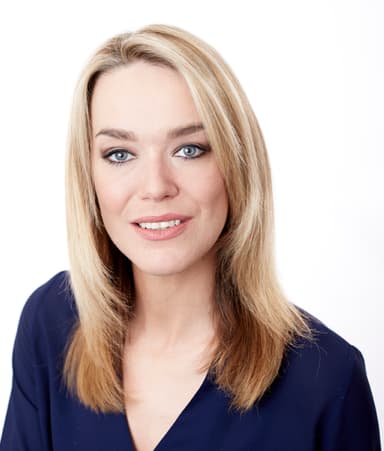
On this bonus episode of This is Money, Lee Boyce speaks to Bank of England chief cashier Victoria Cleland on her views over the future of cash. We talk about why preserving choice in payments is important, whether she fears physical money will die out and how we can stop Britain going totally cashless. How do we encourage retailers to accept cash and why are people turning away from using it? How do we keep cash relevant? We also talk about the 'paradox of cash' where cash is used less frequently for transactions, notes in circulation continue to grow and whether it's fair that part of our lives have seemingly gone cashless, including car parks. With the House of Lords recently announcing a National Resilience Committee looking at whether we should hold cash reserves at home — is there any ideal amount we should hold? Victoria's signature is on bank notes from 2014 — 2018, and on notes since last year again too, after becoming chief cashier again — how does that feel? Also, we talk about the bank note consultation currently happening — why replace historical figures with wildlife? And has she been surprised by some of the backlash? There are eighteen choices on the list, and nearly half a million people have cast their vote. Lee's favourite is a kingfisher on a fiver and a brown hare on a twenty ... what are your picks? You can vote until 3 July: https://www.bankofengland.co.uk/banknotes/help-us-design-our-next-series-of-banknotes.
Guests: Lee Boyce,Victoria Cleland
Published:
Original Broadcast: Gadgets and Gizmos

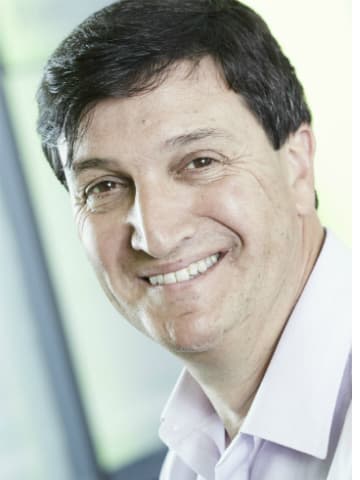
Steve Caplin is so amazed to discover that you can watch World Cup matches on BBC in 3D, it has almost made him keen on football. WhatsApp is soon to allow user names but you might need to get in quickly to reserve the one you want. Steve visited an Amazon fulfilment centre (a warehouse to the rest of us) and was amazed at what he saw. Delivery robots will soon be allowed throughout the UK, but it will need a change in the 1835 Highways Act forbidding "carriages" on the pavement. Commodore have made a retro flip phone. Dead lithium batteries can soon be resuscitated. Scout badges include the likes of digital comms and content creation. The BBFC are using AI to help classify films.
Guests: Steve Caplin
Published:
Original Broadcast: The Business Of Film
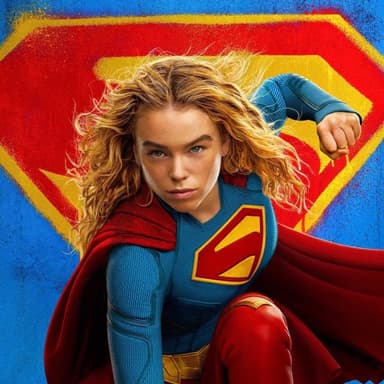
James Cameron-Wilson thought he was in for a treat with #2 Supergirl, starring Milly Alcock. But it is disappointingly tedious, with lots of fighting and killing and a surprising 12A certificate, given that it deals with alcoholism and sex trafficking. #27 Blue Heron, a Canadian film about childhood trauma, is highly regarded by some. But James found it self-indulgent, abtruse and unfathomable. He was keener on Netflix's romcom Voicemails for Isabelle. It looks great, has a super soundtrack, winning performances and boasts dialogue so effervescent, he would happily watch it again for that alone. It's the sort of film that makes you happy to be alive. In the Hand of Dante, also on Netflix, stars Al Pacino, Martin Scorsese and more but is two films in one, with an intriguing modern thriller weighed down by a plodding medieval biopic. It's half a masterpiece, half a disaster.
Guests: James Cameron-Wilson
Published:
Original Broadcast: Thought for the Week

As the United States approaches the 250th anniversary of its independence, what better way for Donald Trump to anchor his legacy in the minds of all young people born during his presidency than granting them a $1,000 contribution when their Trump Account is opened? However, as Michael Dell and other philanthropists have shown, we need to focus on the most disadvantaged in order to break the cycle of deprivation. The Share Foundation and Share Alliance show how to do this, alongside initiatives such as this new American starter capital account. Background music: 'Everything Has a Beginning' by Joel Cummins
Published:
Original Broadcast: This is Money
As we approach installation of the seventh prime minister in just ten years, Georgie Frost, Simon Lambert and Helen Crane discuss how we are being seen as the political basketcase of Europe, and what it means for your money. There's also fury over reforms to ISAs, and a warning that Rachel Reeves' new tax on investors won't work. Plus, the Bank of England wants your help.
Guests: Helen Crane
Published:
Original Broadcast: Motley Fool Show
Memory prices have skyrocketed because of AI demand and that’s not extending into the consumer market after Apple raised prices on nearly all of its products. We discuss why memory is up and how Silicon Valley made itself a villain in the age of AI. Plus, we go through what technologies may be disruptive and stocks on our radar. Travis Hoium, Jon Quast, and Lou Whiteman discuss AI, The Villian; why memory costs Hit Apple; who says “enough”? Is there rationality in tech? Disruptive or sustaining innovation. Plus, stocks on our radar. Companies discussed: Tractor Supply (TSCO), Lockheed Martin (LMT), Apple (AAPL), Micron (MU), NVIDIA (NVDA). Host — Travis Hoium; Guests — Jon Quast, Lou Whiteman.
Guests: Jon Quast,Lou Whiteman
Published:
Original Broadcast: Motley Fool Show
Every time you listen to an earnings call, you're scanning for signs that a company knows where it's going. But what if the most confident-sounding language is actually the biggest red flag? Motley Fool analyst Rachel Warren sits down with Phil Le-Brun, former international CIO of McDonald's, and Dr. Jana Werner, executive advisor at AWS — co-authors of 'The Octopus Organization' — to unpack why 70% to 90% of corporate transformations never deliver what they promised, what they call watermelon reporting — green on the outside, red on the inside — and the words that reveal whether a company is truly built for the future, or just really good at sounding like one. Host — Rachel Warren; Guests — Dr. Jana Werner and Phil Le-Brun.
Guests: Dr. Jana Werner,Phil Le-Brun
Published:

Brand new research has revealed how modern weddings are dividing opinion across Britain — from child-free ceremonies and “no social media” rules to refusing plus-ones and even inviting exes to the big day. The study also found that more than a third of Brits have turned down a wedding or hen or stag invitation because it was simply too expensive, while younger adults are spending more than ever to attend weddings. Zoe Burke is the UK’s leading wedding expert and joins Rory McGowan to discuss this, as well as some helpful wedding planning advice for the summer.
Guests: Zoe Burke
Published:
Original Broadcast: The Hypnotist

This is an episode created for someone feeling out of their comfort zone after ending a long-term relationship: a situation where anxiety, fear and trepidation are commonplace. It tracks back (regresses) to very different memories as a young adult: oozing with confidence, charisma and freeness. Adam Cox then finds a trigger to harness that mindset for future-pacing into today's circumstances.
Published:
Original Broadcast: The Financial Outlook for Personal Investors

For Simon Rose's last discussion with Russ Mould of A J Bell, Russ looks at the tentative bid for FTSE 100 stock Segro, once a warehouse REIT, now moving into data centres. It's the 16th bid for a UK property company in the last four years and yet UK investors don't seem interested in UK commercial property. The 10-year gilt yields 4.7% against a sector yield of 6.3%. Does that premium compensate investors for the risks? Russ wonders why, if REITs believe the sector discount to assets of 25%, they don't buy back their own shares. It would be more positive for the sector than bids, even if those bids show that there are people overseas who think that there is value there.
Guests: Russ Mould
Published:
