Original Broadcast: The Financial Outlook for Personal Investors
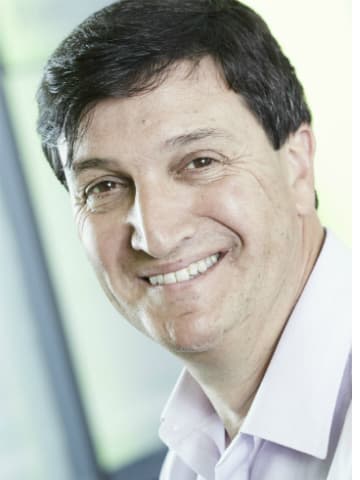
Russ Mould of A J Bell says that oil briefly touched $125 a barrel because the "blockade of the blockage" is cutting off 1/5 of the global supply. However, he points out that this is a paper future oil price. The current price is higher, as one might expect with tight supply. There are, of course, other types of oil which are currently much cheaper because they go nowhere near Iran. The equity market is pricing in a speedy solution but it is just as easy to argue that the blockade will continue and that stagflation will be the result. It isn't only oil that is the problem, of course. Urea and helium are both essential commodities also facing supply problems. Even if the markets are correct and things de-escalate, in the face of so much that has been destroyed or damaged, it is unlikely to be a smooth ride ahead.
Guests: Russ Mould
Published:
Original Broadcast: The Financial Outlook for Personal Investors
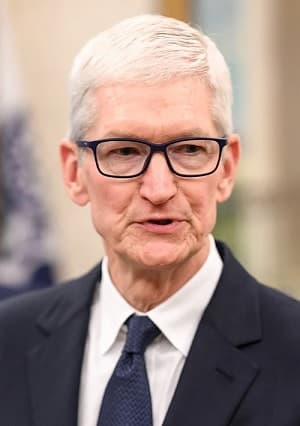
It wasn't a complete surprise, but Apple (NASDAQ: AAPL) Chief Executive Tim Cook is stepping aside and the company's current head of hardware, Jon Ternus, will be taking the helm in September. The Motley Fool team discuss Cook's legacy, the biggest challenges and opportunities for the new leader, and more. Tyler Crowe, Matt Frankel, and Jon Quast discuss Tim Cook and his accomplishments at Apple, Apple's new CEO and what his biggest challenges are, whether the S&P 500 will include SpaceX after it goes public, and AST Spacemobil and its opportunities. Companies discussed: AAPL, ASTS, RKLB. Host — Tyler Crowe; Guests — Matt Frankel, Jon Quast.
Guests: Matt Frankel,Jon Quast
Published:
Original Broadcast: The Financial Outlook for Personal Investors
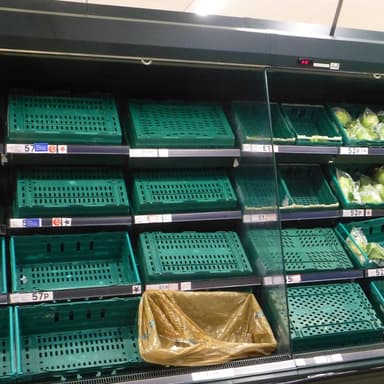
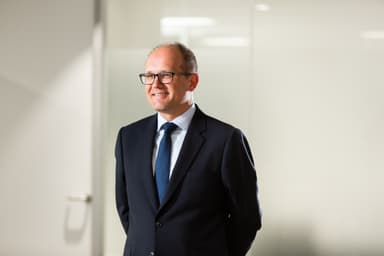
Political commentator Mike Indian says that the Iran war will have a profound and lasting effect upon the UK government. In the short term, it has strengthened the Prime Minister's position, with his "Steady Eddie" persona. But the cost of living will come to the fore, with energy, food, CO2 and fertiliser costs all rising and the possibility of food shortages. The PM has come under attack for delays in defence spending. It is one thing to announce an increase in investment but it is important how the money will be spent. We don't appear to have learnt from the Ukraine invasion about the importance of shortening supply chains. Mike discusses the extraordinary intervention by J D Vance in the Hungarian election. Many European leaders will breathe a sigh of relief at Orban's outing but it is not clear what Magyar is for and how he will use his power.
Guests: Mike Indian
Published:
Original Broadcast: The Financial Outlook for Personal Investors
Russ Mould of A J Bell says that the S&P 500 has just set a new all-time high, with the UK getting close too. Despite the war in in the Middle East, markets must believe that they've seen it all before and that the war won't last long. But there are longer-term issues to address if not, including the status of the dollar, supply chain issues and national security, with a move from Just In Time to Just In Case. This year the best performer has been Latin America while the UK has beaten the US. If you want dependable stodge and think the emphasis will continue to be on commodities and raw materials, then both areas look sensible. Russ also discusses Japan. Investors need to think about their sectoral and geographical mix as well as valuation. This can go a long way towards helping you find an optimal asset allocation.
Guests: Russ Mould
Published:
Original Broadcast: The Financial Outlook for Personal Investors

Finlay Mathers of Edison Group highlights Billington Holdings, a steel specialist with a market cap of £50m which makes frames for large buildings. Listed on AIM, it restructured and consolidated operations last year, increasing capacity. Recently it has won a raft of new contracts. The company focusses on training its own staff, has a strong balance sheet with zero debt and will report results in a couple of weeks. Chloe Wong looks at Devolver Digital, an indie games publisher of third party and in-house video games. Its full-year results were encouraging in a flat gaming market. Indie games are expected to perform strongly and the company, which has made significant operational improvements since its 2021 IPO, is well positioned and at a significant discount to fair value. More information is available on the Edison website.
Guests: Finlay Mathers,Chloe Wong Yun Shing
Published:
Original Broadcast: The Financial Outlook for Personal Investors
Russ Mould of A J Bell marks the first anniversary of Trump's "Liberation Day" tariffs. The overall impact hasn't been as great as feared at the time, with tariffs settling around 10-13%. Since then, the dollar has gone down, US equities have underperformed and US bond yields have generally gone up. The concept of the US being the only game in town has been reassessed, while supply chain management and national security in all its ramifications have come to the fore. In all this, the UK isn't the worst place to be invested in, thanks to the heavy emphasis on oils, mining and staples, which do well in times of uncertainy. The UK isn't immune if there's a worldwide recession but it does offer some balance and ballast.
Guests: Russ Mould
Published:
Original Broadcast: The Financial Outlook for Personal Investors

Chloe Wong of Edison Group discusses P Z Cussons, best known in the UK for brands like Imperial Leather and Carex. But this 140-year-old firm has a large international portfolo of consumer goods. Recently it has been concentrating its activities and geographical areas while reducing the number of brands. It has also increased its emphasis on marketing. With a 5% yield, it's a dependable stock in troubled times. Shepherd Neame is another heritage brand, having been brewing since 1698. As well as beers like Spitfire and Bishop's Finger, it is a hotel and pub company with a tenanted estate. Again it's the sort of company investors like when things are turbulent. Although cost and wage inflation is affecting the sector, this is manageable. 85% of its estate is freehold and the NAV is £182m against a market cap of £82m. With a yield over 5% it is looking attractively priced. More information on both companies is available on the Edison website.
Guests: Chloe Wong Yun Shing
Published:
Original Broadcast: The Financial Outlook for Personal Investors
Russ Mould of A J Bell says that in the past five years, banks have been the second best UK performers after Aerospace & Defence. The five in the FTSE are forecast to generate almost a quarter of its profits for 2026 and pay out a fifth of its dividends. This year, though, the banks are in the middle of the pack and down for the year. They certainly earned their run, making record profits when, half a decade ago, you could barely give them away. But the valuations now aren't as compelling as they were, buybacks are being withdrawn, US and European banks have been weak and there are worries about exposure to private equity. As a result, markets are not taking any chances and investors must balance valuation and returns against potential risks.
Guests: Russ Mould
Published:
Original Broadcast: The Financial Outlook for Personal Investors

Liam O'Byrne of Edison looks at Greggs, the leading on-the-go food retailer, which has a £1.75bn market cap. Their full-year results showed operating profits dimming a little although like-for-like sales and market share were up, despite a gently-declining market. The company expands in such an efficient way that it is reasonable to be optimistic about the company's future. Edinburgh Worldwide Investment Trust, managed by Baillie Gifford, specialises in businesses that have significant disruptive potential at the frontier of technological innovation. Space X accounts for 16.6% of assets. Facing prolonged activist pressure, they've announced a tender offer which Liam explains. It is an example, though, of a broader issue facing investment trusts sitting at a discount. But it does at least encourage boards to be more responsive to the interests of shareholders.
Guests: Liam O'Byrne
Published:
Original Broadcast: The Financial Outlook for Personal Investors
Russ Mould says that investors can't ignore what is happening in the Gulf, which has seen a jump in volatility and sharp declines in some of the investments that been doing best but which had little downside protection. Despite this, the broader US market is roughly where it was a week before. Oil is up by a fifth, but that is still much less than during other Middle Eastern crises. For investors, though, the important thing is not to panic. If you had good reasons for your investments before, then be patient, seek diversification and value and avoid leveraged situations. Energy stocks like BP and Shell account for 10% of the FTSE by market cap and the market is saying the oil price is about right. Oil service companies could be worth a thought if the conflict lasts longer than expected but the only one the UK has left now is Hunting.
Guests: Russ Mould
Published:
