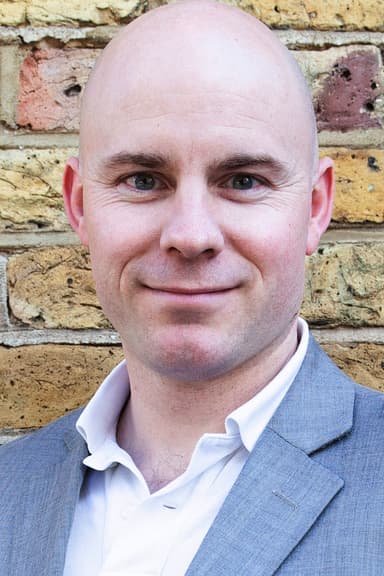

Adam Cox draws a link back to the Paleolithic period, going back 15,000 — 20,000 years when humans had to be hunter-gatherers in order to eat. There was then lots of movement and lots of gaps between eating, in contrast with today's snacking society. Building a mix of hypnosis with weight loss strategy can be an effective way of controlling excess body fat.
Published:
Original Broadcast: The Hypnotist

Here's an intriguing episode — following the medical resolution of a client's serious brain aneurism, Adam Cox seeks to help someone experiencing recurrent side effects of spells of dizziness: albeit very temporary in contrast to their original problem. He seeks to reframe these experiences by positioning them as cheeky rascals, more playful than destructive, in order to limit their ability to disrupt life going forward.
Published:

This episode is all about love, intimacy and connection, and lifting them to new levels in order to reverse the drifting that can occur with familarity. Reaching back into those early memories and refreshing them can help you find that same harmony and passion going forward.
Published:

Last week we tackled emotional drinking; this week it's the turn of emotional eating. This is when you're not hungry or in need of nutrition, but you're just coping with stress or anxiety by constantly nibbling away at certain foods which 'make you feel safe'. However these are often processed foods which are anything but safe in the long run. The episode seeks to help with a 'reframe' in order to give up mindless snacking.
Published:
Original Broadcast: The Hypnotist

This episode is not about social or celebratory drinking, but it's focused on those times when you just drink on autopilot (for example, while watching television) or to calm your nerves at times of emotional stress ('dutch courage'). Adam Cox estimates that these types of mindless drinking could account for 70-80% of alcohol intake, and that they form the foundation of an addictive loop. So it's useful for those who, while they don't want to become teetotal, would rather prefer to keep their alcohol drinking for enjoyable occasions.
Published:
Original Broadcast: The Hypnotist

This is an episode created for someone feeling out of their comfort zone after ending a long-term relationship: a situation where anxiety, fear and trepidation are commonplace. It tracks back (regresses) to very different memories as a young adult: oozing with confidence, charisma and freeness. Adam Cox then finds a trigger to harness that mindset for future-pacing into today's circumstances.
Published:
Original Broadcast: The Hypnotist
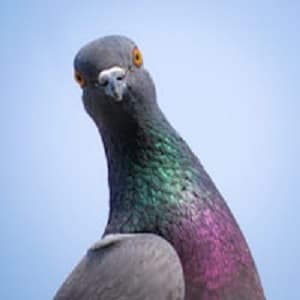
The law of dominant effect means you can't experience two emotions at the same time. So if you have a specific fear — in this case, of pigeons — look for disassociation to tackle the anxiety, perhaps in order to replace it by humour and curiosity. Adam Cox explains how that transition can be achieved.
Published:

If you feel you can't relax or enjoy yourself with resorting to alcohol, this episode could be useful to break that habit. Adam Cox uses the technique of regression to explore good times without alcohol in the past, then 'future-paces' those memories to move them into your future expectations.
Published:
Original Broadcast: The Hypnotist

For those with long-term health conditions, any ongoing pain or emotional issues, Adam Cox puts forward some hypnotic recovery suggestions: they are not a substitute for seeing a doctor! Using multiple levels of disassociation and a metaphor based on Inception Island, a very unusual 'lake within a lake' location in Canada, he builds a recursive perspective to assist the healing process, which can be helpful alongside medical treatment.
Published:
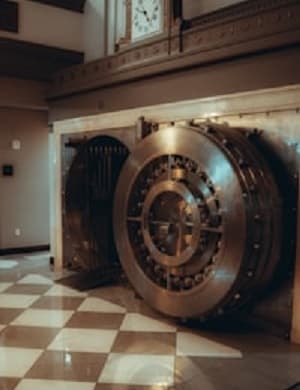
Losing weight can be a real struggle, but here's an approach which might be a lot more encouraging. Think of excess fat differently — as a hidden vault full of stored energy. If there was a hidden vault in your house filled with money, that would be good news; and you would no doubt be thinking about how to access it. Using this metaphor, Adam Cox encourages you to reach for your hidden vault of stored energy when you're feeling tired or in need of sustenance: how to find it, and then keep it open.
Published:
