
Original Broadcast: The Business Of Film

James Cameron-Wilson reports that 2025 was the best box office year for movies since the pandemic. With the new Avatar still #1, #2 is The Housemaid, a psychological thriller with Sydney Sweeney and Amanda Seyfried which is thoroughly entertaining, as long as you don't think too carefully about the plot. #3 is Marty Supreme, loosely based on a true story. Timothée Chalamet is a supremely-confident hustler turned table tennis player in a movie that, despite being two and a half hours long, flies by, helped by a great supporting cast of non-actors. Not so #6, Anaconda, in which Paul Rudd and Jack Black want to remake the forgettable 1997 monster movie of the same name. It's hard to combine comedy and horror successfully. This film fails. #7 is Song Sung Blue, based on a documentary, with Hugh Jackman as an unsympathetic Neil Diamond interpreter. In a film about second chances, Kate Hudson has never been better.
Guests: James Cameron-Wilson
Published:

Original Broadcast: Thought for the Week
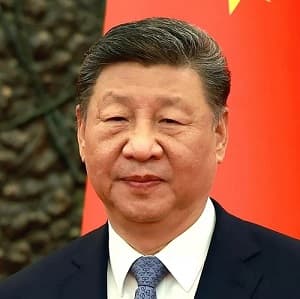
Trump's assault on Venezuela casts a major question mark over his claim to be a peacemaker — resorting to military action to deal with criminal activity is a poor substitute for international law and order. We urgently need to listen to Xi Jinping's call for global leadership — on a new basis of participation, not dominance. Background music: 'World's Sunrise' by Jimena Contreras Image source: Wikipedia
Published:
Original Broadcast: Motley Fool Show
Emily Flippen is joined by Jason Hall and Keith Speights to unpack the biggest energy headlines of the past week and what they could mean for energy investors heading into 2026: how geopolitics and sanctions may impact oil pricing in the year ahead, whether or not the “energy transition” is still moving forward despite policy headwinds, and how energy investors should be feeling heading into the New Year after a lackluster 2025. Companies discussed: FANG, EOG, XOM, CVX, PCCYF, SNPMF, ENB, ET, EPD, FLSR, SEDG, CWEN, BIP, BEP, NUE, CAT, D, EVRG, META, PSX. Host — Emily Flippen; Guests — Jason Hall, Keith Speights.
Guests: Jason Hall,Keith Speights
Published:
Original Broadcast: Motley Fool Show
Another profitable year is in the books for investors. Whether you invested in 2025 or are looking to get started, this episode is for you! Our hosts discuss some of the reasons why people struggle to make those New Year's resolutions work, and share tips on how they've built frameworks that can help you build a plan that works for you. Never made a resolution? Neither has one of today's hosts! Companies discussed: LMND, NVDA, AMD, CELH, SHOP, DG. Host — Jason Hall; Guests — Jon Quast, Dan Caplinger.
Guests: Jon Quast,Dan Caplinger
Published:

It's safe to say it was a mixed bag for the property market last year, with a mixture of Budget speculation and stamp duty costs weighing on house prices, but with mortgage lending rules loosening helping first-time buyers. So, what will happen in 2026 - Georgie Frost and Lee Boyce discuss, and ask — will it be another stagnant year for house prices? Elsewhere, there's a warning that top cash ISA rates are set to fall. Can you really retire at 50? We reveal the top tips to do and what to plan for — and Georgie and Lee reveal their new year resolutions. And finally, have we reached peak coffee shop? Costa is struggling as owner Coca-Cola looks to offload it at a loss — but have we had enough of over £4 cups of coffee at chains?
Published:


The Christmas/New Year break often features an excess of alcohol: the challenge after the new year is to bring the quantity and frequency you consume back under control — 'everything in moderation'.What changes do you want to make in your consumption? Adam Cox may have the answers.
Published:

Professor Tim Evans of Middlesex University rounds off 2025 with his countdown of the 10 most significant issues. 10: Trade frictions and international relations are moving away from blockification and becoming messier. 9: Net Zero is on the wane and nuclear power is on the rise. Hydrocarbons could be around for longer than expected. 8: Productivity problems in Britain continue to bedevil the economy. 7: The lack of success in welfare reform, with inflation continuing to exacerbate poverty. 6: The housing crisis and the rise in homelessness. Red tape and bureaucracy continue to hold housebuilding back. 5: Fiscal strategy and stealth taxes. The policy of borrowing now and paying later is very dicey. 4: The NHS. It is still in crisis, despite tens of billions of pounds poured in. 3: The cost of living crisis. Inflation is a hidden tax and most people have not seen their wages increase significantly for 20 years. 2: Immigration, which is fuelling anxiety and division, not just in Britain but throughout Europe. 1: Stagnating economic growth. We could now be in a recession. People are down and depressed and expect things to get worse. The Government is injecting misery and pessimism without understanding the consequence of their actions.
Guests: Professor Tim Evans
Published:

Steve Caplin rounds up his favourite gadgety stories of the year. Learn how best to let oral meds work, to grow your own teeth, to hear in a noisy room, write a detective story, stop cows falling in the river and what to do if a velociraptor is chasing you. He explains why it can be cheaper to go from Cornwall to Manchester via Malaga, the over-complicated scientific way to boil eggs, the eyebrowing-raising slip-up on those old DVD piracy warnings and Google London's problems with foxes and rats. Among the inventions highlights are a giant hamster wheel for skiers, a remote-controlled coffee table with 12 legs, the WalkCar Segway and an electric skateboard that will do 45mph. All this and more in the round-up of the stories on Gadgets and Gizmos in 2025.
Guests: Steve Caplin
Published:
Original Broadcast: The Business Of Film

After a quick rundown of what's leading the UK box office in the run-up to Christmas, James Cameron-Wilson takes Simon Rose through the films that made the most at the country's cinemas in 2025. A Minecraft Movie topped the chart, followed by Bridget Jones: Mad About The Boy, Wicked For Good, Lilo & Stitch and Jurassic World Rebirth. Very different was James's own top ten. 1: Ocean. 2: Flow. 3: Superman. 4: Christy. 5: Materialists. 6: I Swear. 7: Alpha. 8: The Ballad of Wallis Island. 9: Brides. 10: We Live in Time. James explains why you'd want to catch up with each every one of these.
Guests: James Cameron-Wilson
Published:
Original Broadcast: The Financial Outlook for Personal Investors

The big stories of 2025 – Trump and AI – are likely to feature heavily in 2026, says Fergus Caheny of Evelyn Partners. Will the eye-watering expenditure we have seen produce enough profitability to justify the high ratings? He does not feel prices are yet in bubble territory but thinks the baton will change to concentrate on those companies that supply this year's AI winners. With the American mid-term elections coming up, investors will also be keen to know who will be the new Chair of the Federal Reserve. The UK economy has had a chequered year but, while UK markets offer some benefits, investors should look to diversify not just among sectors, but geographically too. Fergus believes that growth in India and the Asian subcontinent will become a big theme.
Guests: Fergus Caheny
Published:
