Professor Tim Evans of Middlesex Business School looks at the battle of ideas in UK politics in the wake of the Labour party conference. Where are the stresses within Labour and how will it deal with Brexit? Can the Liberal Democrats fill a vaccum in the centre ground? What is the Conservative party now FOR?
Guests: Professor Tim Evans
Published:
Original Broadcast: The Business Of Film
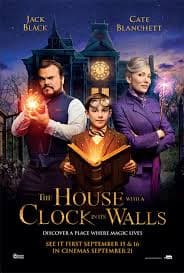
James Cameron-Wilson looks at the UK box office, with two new films at the top of the chart. He reviews - favourably - The House with a Clock in its Walls and A Simple Favour. Tipping Crazy Rich Asians again, he also recommends Fellini's 1965 film Juliet of the Spirits, which has just been released for the first time on Blu-ray.
Guests: James Cameron-Wilson
Published:

Steve Caplin goes automotive, looking at the closest driving experience to Formula 1, digital side mirrors, Volvo's self-driving truck and BMW's autonomous motorbike. He also marvels at nifty lights for handlebars, at the comms kit for the security services that fits in the mouth, at an LED solution to hair loss and a ludicrous high-tech ceramic cheeseboard.
Guests: Steve Caplin
Published:

Want to keep up with the latest earnings updates from the States? Well join Chris Hill and the Motley Fool Radio Show team here on Share Radio, direct from Washington DC, for news, views and analysis of the US stocks that matter. In this week's show: A Canadian cannabis company produces big returns for shareholders; Amazon unveils new products; Medtronic makes a big buy; Olive Garden delivers for Darden Restaurants; And Disney gets a boost from ESPN+.
Guests: Chris Hill
Published:

Tayo Dada was introduced to computing when he was child, on an old Commodore 64. In his teens, he was a hacker, who started out hacking his friends’ Sony Walkmans, before successfully hacking into Citibank and Lloyds of London. He was offered a role with KPMG to set up the UK’s first ‘ethical hacking’ team. He is now a leading cybersecurity expert, working with FSTE listed companies and latterly, specialising in private equity.
Guests: Tayo Dada
Published:

Original Broadcast: This is Money
As banks went kaput a decade ago, the safety of our savings was thrust into the limelight. Most had never considered that cash in the bank was at risk and knew little about the Financial Services Compensation Scheme. When Icesave blew up a year after the Northern Rock collapse things changed dramatically. We should all be up to speed now, but how safe are your savings? On this week’s podcast, Simon Lambert, Tanya Jefferies and Georgie Frost we look at savings protection but also how you could end up losing money by sticking with cash. Ironically, worries about banks a decade ago triggered a flight to safety and more people stashing money in savings accounts rather than investing. But had people invested as Lehman Brothers collapsed they would have more than doubled their money by now. Taking the risk as the world appeared to be falling apart would have been the right move. Yet, at that point the stock market was already down 20% and fell by that again before it hit the bottom, so how many would have been brave enough? Also on this week’s show, we discuss how easy it might be to hit the £1million pension lifetime allowance sand whether your car might fail its next MOT.
Guests: Simon Lambert,Tanya Jefferies
Published:

Original Broadcast: Economist Questions

The New Labour government introduced a national minimum wage (NMW) in 1999. At first this was opposed by the Conservative party, but they have since joined a growing political consensus. The Low Pay Commission (LPC) are tasked with recommending NMW rates that 'help as many low-paid workers as possible without any significant adverse impact on employment or the economy’. The LPC’s apparent success in achieving this, may be one reason for growing political census, so it is perhaps worrying that a National Living Wage (NLW) is being set without these considerations. Len Shackleton, Professor of Economics at the University of Buckingham and Editorial and Research Fellow at the Institute of Economic Affairs, sets out these issues and more in a recent IEA paper on Restructuring Minimum Wages. Prof. Shackleton argues that the system has become overly complex and recommendations made by the Taylor Review will only add to this complexity. In this interview we consider his proposals and what the future may hold for UK minimum wages.
Guests: Len Shackleton
Published:
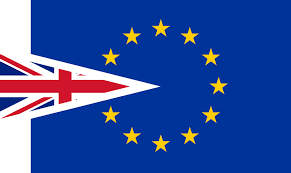
Mike Indian, political commentator and author of The Groucho Tendency blog, discusses with Simon Rose the outcome of the EU summit in Salzburg where leaders of the 27 other member states discussed Brexit. With the head of the European Council Donald Tusk saying that May’s Chequers plan would not work, what does that mean for the Prime Minister and her plan. Is a no-deal Brexit now more likely. Mike also highlights the leaked Tory dossier about who might replace May, which gives pitchy comments on the chances of the possible candidates. Ahead of the Labour Party conference, he looks at Labour’s democracy review and the possibility of the party endorsing a call for a second Brexit referendum.
Guests: Mike Indian
Published:
Steve Caplin looks at the latest developments in drone technology, explains why he won't be buying the new iPhone but does recommend updating iOS, marvels at the Bristol scientists producing a real-life version of The Wrong Trousers, is impressed by a 3D-printed US army barracks, wants to try a deeper-water snorkel and applauds Carlsberg for fastening its beer cans together without plastic.
Guests: Steve Caplin
Published:

James Cameron-Wilson looks at the UK box office, reviewing the weeks new films, The Predator, Crazy Rich Asians and King of Thieves, as well as Puzzle, clocking in at No. 40 in the chart. He also looks at the home release of Apostasy before he and Simon Rose consider the 50th anniversary home release of Mel Brooks's film challenging the taste barrier, The Producers, which won the novice director a Best Screenplay Oscar.
Guests: James Cameron Wilson
Published:
