Original Broadcast: Modern Mindset
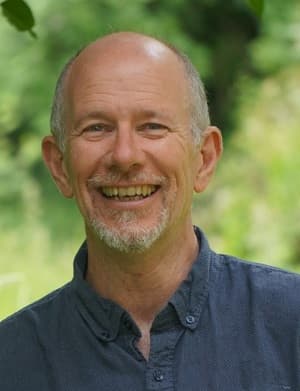
Rory McGowan is joined by Michael Follett, Founder & Director of OPAL and an International Play Consultant. They've found some new research that shows widespread support from the public for UK schools to change their policies and adopt an always active uniform. The Alliance, founded by Outdoor Play and Learning, the Youth Sport Trust, Play England, and the Centre for Young Lives claims traditional uniforms restrict movement, limit opportunities for active play, and don’t reflect the needs of modern learning environments. https://outdoorplayandlearning.org.uk/
Guests: Michael Follett
Published:
Original Broadcast: The Hypnotist

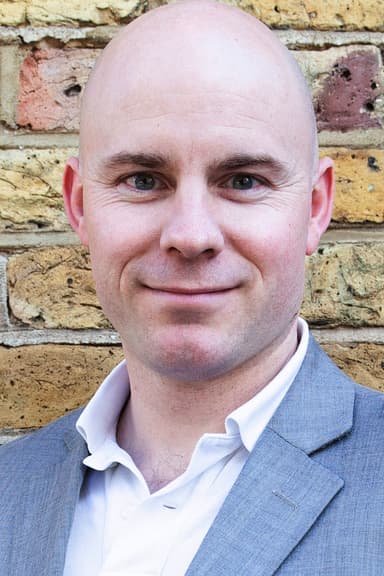
The challenge of being the centre of attention such as with public speaking can be difficult, but preparatory states can also be resourceful: think of Novak Djokovic tapping the ball on the ground before he serves. This episode helps you to condition that preparation to benefit from a sense of anticipation and excitement rather than fear.
Published:
Original Broadcast: The Business Of Film

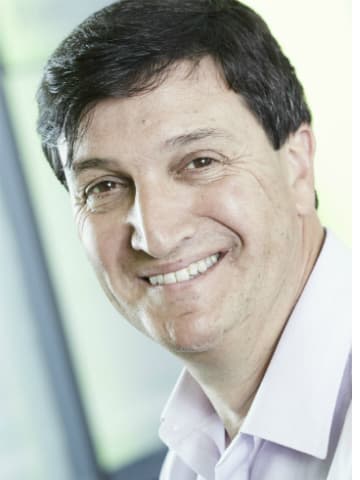
James Cameron-Wilson is impressed that the box office has fallen only 20% with Lilo & Stitch and Mission Impossible #1 & #2. #3 is Karate Kid: Legends with Jackie Chan (the sixth in the series). It is formulaic but moves at a good clip. Independent film The Salt Path is #4, packing out screens where it is showing. It's an unbelieveable but true story with Jason Isaacs & Gillian Anderson and is worthy but lacking cinematic oomph. On Netflix James caught the Spanish crime drama A Widow's Game, which can be seen subtitled or dubbed. Sadly, it is all too obvious who the guilty party is.
Guests: James Cameron-Wilson
Published:
Original Broadcast: The Financial Outlook for Personal Investors

Russ Mould of A J Bell points out that financial stocks have been performing really well of late, partly because things have been boring for them, with nothing untoward happening, while the yield curve is working in their favour. Banks will benefit from supply chains being brought home. They're difficult for private investors to analyse and there's a risk of performance chasing but, if they generate double-digit returns, there could be more to go. Russ highlights the banks value investors might favour and those offering decent yields, especially the big banks, which are also engaged in buybacks.
Guests: Russ Mould
Published:
Original Broadcast: Gadgets and Gizmos

Steve Caplin is excited by Jony Ive's new venture, even though nobody yet knows what it is. He wonders how much Albert Einstein's business card will fetch. There's a face sticker that can monitor employees' tiredness, but there's a catch. Living tattoos have been developed for buildings. The UK's first flying taxi has had a real world flight over the Cotswolds. Who might want to buy a concrete coffeemaker? Loughborough University has created the world's smallest violin. Knee pain might be reduced with in-ear treatment. And you will soon be able to buy your own spaceplane – for a mere $30m.
Guests: Steve Caplin
Published:
Original Broadcast: The Bigger Picture
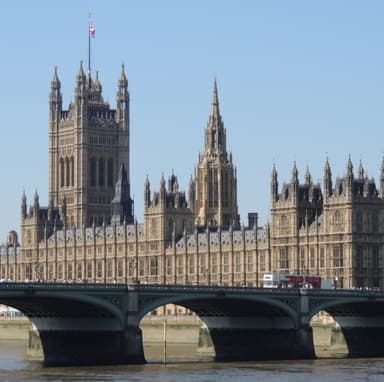
Political commentator Mike Indian says that the Winter Fuel U-turn has undermined the position of the Prime Minister and Chancellor, with Labour MPs getting increasingly rebellious. But there is no obvious successor to Keir Starmer and Mike predicts that the PM will not only last till the end of this Parliament but stand again. In some ways, he feels, the forthcoming Spending Review is the biggest decision Labour will take in this Parliament. He approves of the money earmarked for improving transport in the north and the equipment detailed in the Defence Review. But it's clear personnel levels in the armed forces need to be raised. All this at a time when jittery markets no longer want to sustain growing government debt while growth is low.
Guests: Mike Indian
Published:

On 11th June UK Chancellor Rachel Reeves presents her Spending Review against the backdrop of a gargantuan public debt liability which is costing the UK taxpayer £111 billion a year in interest. Further tax rises have been ruled out, so she needs to identify achievable, structural reductions in spending. Elon Musk thought he'd done just that as head of the U.S. Department of Government Efficiency (DOGE), but only a small fraction of his planned reductions were achieved. In the UK at least we can break away from welfare universality — but will she do it? She's tried taxation and now she has to tackle spending, but the real elephant in the room is debt: all £2.7 trillion of it. Background music: 'Dark Alley Deals' by Aaron Kenny
Published:
Original Broadcast: The Hypnotist

At a personal level, 'levelling-up' can mean achieving more of your ambitions and accomplishing more of your objectives. Whether it's moving forward in terms of business success or physical health, or becoming more entrepreneurial, this episode shows how to develop new habits and new standards. Using the metaphor of working through the floors of a building, Adam Cox sets out a route which will help you establish a new level above your current ceiling.
Published:
Original Broadcast: This is Money

Nationwide hands out its £100 'fairer share' payment for the third year running, while Selfridges encourages new customers with a range of perks. Georgie Frost, Simon Lambert and Helen Crane discuss these, and Simon then looks at what £10,000 invested in Nvidia shares at various points in the past would be worth today. Finally, the team discuss a contentious question: 'Is my wife putting off buyers?'
Guests: Helen Crane
Published:
Original Broadcast: Motley Fool Show
Americans are feeling better about the economy. What’s that mean for stock investors? David Meier and Asit Sharma discuss why Americans are feeling better about the economy, the headwinds facing Okta, and fundamentals for long-term investors to watch, and a retail round-up including Abercrombie & Fitch and Pinduoduo. Then, 19 minutes in, former CEO of Siemens and Alcoa, Klaus Kleinberg, discusses his book, “Leading to Thrive: Mastering Strategies for Sustainable Success in Business and Life” and finding companies with sustainable competitive advantages. Finally, 32 minutes in, David and Asit discuss Southwest implementing baggage fees and two radar stocks: SentinelOne and SoundHound AI. Companies discussed: CRM, INFA, OKTA, ANF, PDD, TJX, BBY, OTC: SIEGY, AA, LUV, SOUN, S. Host - Ricky Mulvey; Guests - David Meier, Asit Sharma, Klaus Kleinfeld
Guests: David Meier,Asit Sharma,Klaus Kleinfeld
Published:
