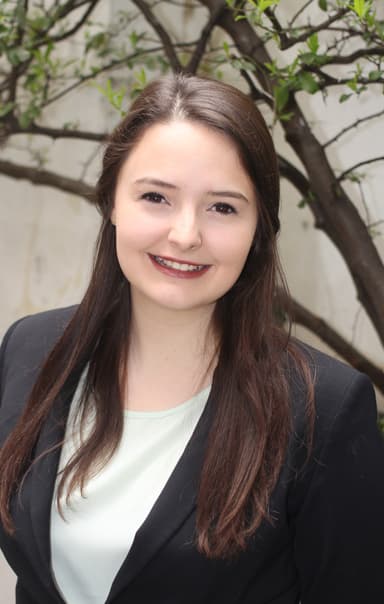

The resale of tickets has been around for as long as humans have charged entry to events. Evidence of ticket ‘touting’ goes all the way back to Ancient Rome. In the 21st century though, it’s becoming an increasingly controversial practice. Companies like Viagogo, Seatwave and Stubhub now offer tickets to otherwise hard-to-reach events – but, often, at a hefty price. IEA News Editor Kate Andrews interviews Dr Steve Davies, the IEA’s Head of Education and author of new report Digital Resellers: The case for Secondary Ticket Markets. Steve believes that ticket resale is simply one aspect of the ‘Sharing Economy’ which enables voluntary transactions to take place between willing buyers and sellers. Those who aim to resell tickets for a profit, Steve argues, are themselves taking on considerable risk. Kate and Steve examine the economics, and the morality, of ticket resale, and take a look at the way artists like Ed Sheeran, Taylor Swift and Madonna use market mechanisms to sell their products.
Guests: Dr Steve Davies
Published:

Original Broadcast: New Economics Foundation

The New Economics Foundation -the independent think tank and charity campaigning for a fairer, sustainable economy- brought you a new podcast from the its archive. This week Polly Trenow from the Women Budget Group joins Kirsty Styles to discuss ways of measuring unpaid work.
Guests: Polly Trenow,Kirsty Styles
Published:
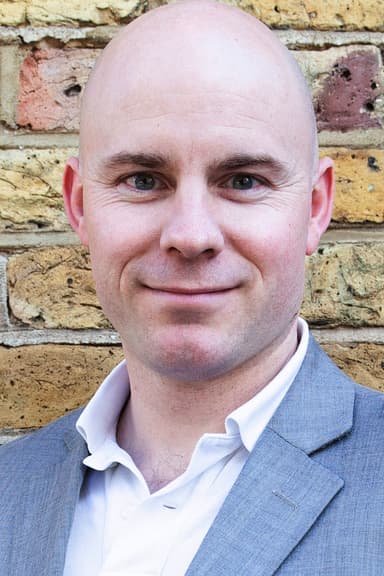

Adam Cox discusses whether we’re mentally ready for open banking with organiser of Fintech Fortnight, Tony Rice. Open banking is the biggest shift in banking in centuries, but are we ready to handle the emotions that could go with it – like distrust, and even greed? How do we need to think about open banking to make it work for us, and what are the financial consequences of ignorance or even rejection?
Guests: Tony Rice
Published:
Original Broadcast: The Big Call

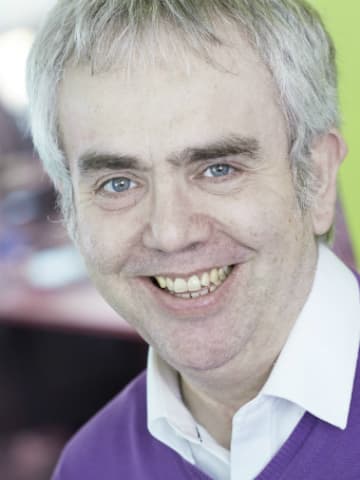
Ed Bowsher gets the lowdown on the latest developments in the ETF world. These include using artificial intelligence to pick stocks, as well as ETFs that invest in themes such as marijuana and electronic gaming.
Published:
Original Broadcast: New Economics Foundation

New Economics Foundation discuss about how Sports Direct changed its business ways in this archive episode.
Published:
Original Broadcast: This is Money
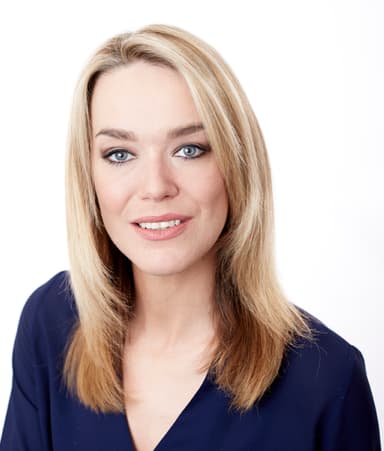
Could you get duped into sending a fraudster thousands of pounds? Many people think of course they wouldn’t, but then it happens to them. In this week’s podcast Simon Lambert, Lee Boyce and Georgie Frost look into the disturbing rise in fraudsters targeting ordinary people’s finances and how you can protect yourself – we also ask if the banks do enough to help. On the other side of the table from those looking to take your money, are the people who promise to make it for you – fund managers. And there has been one name that keeps cropping up in This is Money’s reader comments as someone who doesn’t get his fair dues, Terry Smith. We dive into his Fundsmith fund, why it has been so successful and having had it explained to him first hand by Mr Smith himself, Simon outlines the Fundsmith investing philosophy. Also up on this week’s podcast is the best car of the year as named by What Car? – and it’s a diesel – and Lee’s once in a lifetime trip to the home of Ikea in Sweden, where he learnt some very interest facts about the flatpack furniture store you either love or hate.
Guests: Simon Lambert,Lee Boyce
Published:
Original Broadcast: IEA show

“Fake news” – a favourite term of Donald Trump – was voted 2017’s ‘word of the year’. Indeed, the spread of fake news has been cited as a serious threat to democracy, free debate and the Western order – with many believing it’s made further regulation of social media inevitable. And yet, in a world where social media has allowed anyone to create and disseminate information, there is still little agreement on what it is, how much of a problem it is, and what to do about it. Today the IEA’s Chief Economist Julian Jessop and News Editor Kate Andrews discuss the new media landscape – which has shifted dramatically in recent years with the growth of hugely influential tech companies like Apple and Google. The pair discuss, what, if anything, governments and Tech Giants should do to address the spread of fake news, and what the future regulatory landscape will look like.
Guests: Julian Jessop
Published:

Helal Miah from The Share Centre reviews the latest numbers from Sky, Dixons Carphone and Easyjet. He also looks ahead to expected updates from Vodafone, BT and AstraZeneca.
Published:
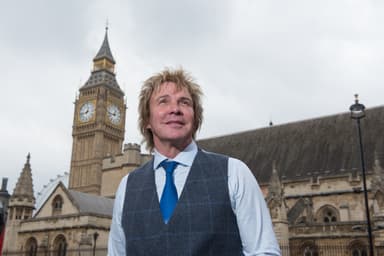
Charlie Mullins, founder and chairman of Pimlico Plumbers, talks to Ed Bowsher about his plans to run for Mayor of London in 2020.
Guests: Charlie Mullins
Published:
Original Broadcast: This is Money
The collapse of Carillion brought how Britain runs itself into the spotlight, but it also left many workers wondering about their money. And it's not just their wages that are a concern, the safety of people's final salary pensions is a major worry when a company collapses. In this week's podcast, Simon Lambert, Rachel Rickard Straus and Georgie Frost look at how safe your pension is and what backs it up. They also discuss whether it is wise handing over so much of the UK’s public service and projects to private companies looking to turn a profit for shareholders - and what happens to people's finances when that goes wrong? Alongside that we discuss the continuing madness of the cryptocurrency boom, including the alternatives to bitcoin and how ripple rose 84% in 24 hours. We also reveal the savings rate postcode lottery and ask that all important question, should you spend your money now and enjoy it or save it for the kids' inheritance?
Guests: Simon Lambert,Rachel Rickard-Straus
Published:
